Walk the City Together: Neighbor‑Powered Short Urban Routes

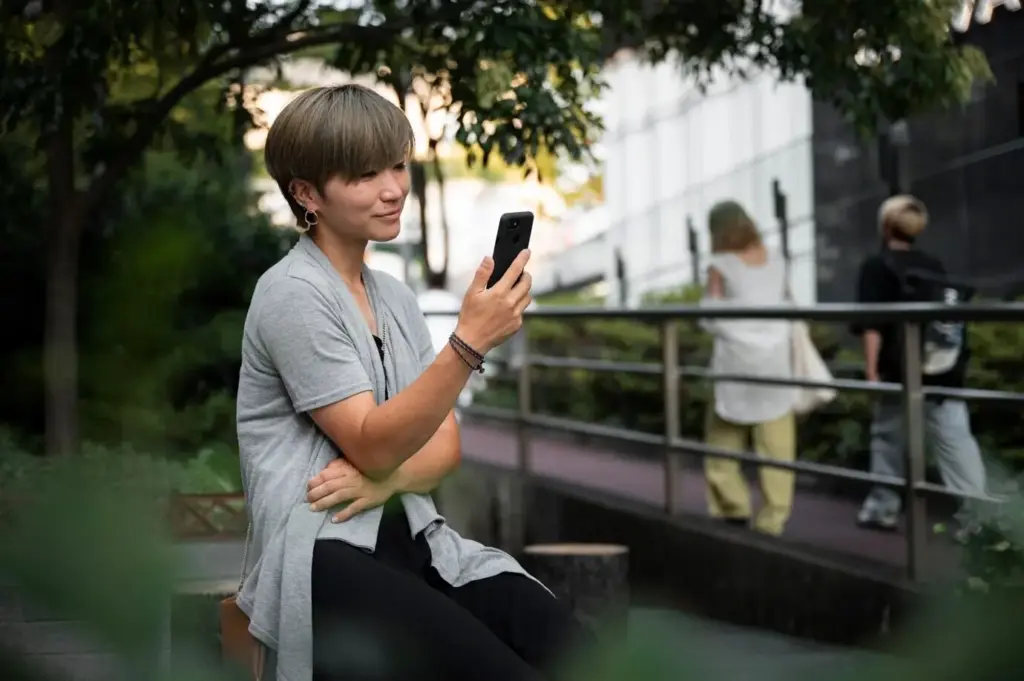
Step into street‑level exploration powered by lived experience. We’re building community‑sourced short walk guides for urban districts that connect safe crossings, shaded corners, small parks, independent storefronts, and overlooked art. Whether you have ten, twenty, or thirty minutes, discover restorative loops that fit real lives. Share your own route ideas, highlight accessibility details only locals notice, and help turn ordinary blocks into daily invitations to move, notice, and belong.

Why Small Walks Transform Daily Life
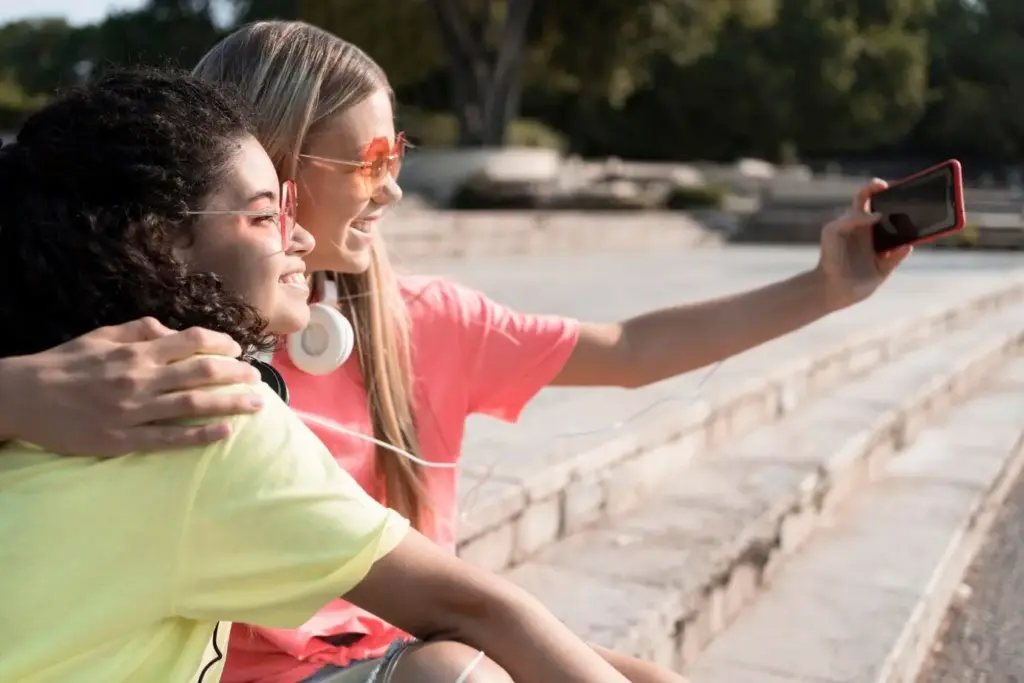
Short, neighbor‑informed walks fit naturally between errands, commutes, and conversations, turning small windows of time into moments of care for body and mind. When residents shape routes, safety feels practical, choices feel personal, and urban districts begin to reveal supportive rhythms. These guides encourage gentle activity, reduce decision fatigue, spark civic pride, and make movement an easy default, especially when weather, energy, or accessibility needs demand flexible options close to home.

Gathering Local Knowledge Respectfully

Neighbor wisdom grows when listening is easy, credit is shared, and care for privacy is explicit. Pop‑up map tables, gentle sidewalk interviews, and simple digital forms all help residents contribute detailed route notes. Transparent consent, inclusive language, and multilingual options broaden participation. By centering lived experience and acknowledging contributions openly, communities build trust that keeps walk guides honest, current, and representative of people who actually use these streets every day.

Designing Safe, Accessible, Delightful Routes

Great short walks balance directness with discovery, prioritize predictable surfaces and calm crossings, and provide options for varied mobility needs. Community notes flag curb cuts, slope angles, resting places, and tactile cues. Layering sensory details—scents from a bakery, trees that actually shade at noon—helps walkers choose routes that feel welcoming. Offering multiple distance variants ensures newcomers start comfortably while still finding beauty within just a few blocks.

Stories That Make Maps Unforgettable

Data guides feet, but stories guide attention. When neighbors contribute sensory snapshots, gentle humor, and personal histories, a simple path becomes memorable. Short captions, resident quotes, and respectful anecdotes help people notice what matters without overwhelming them. By weaving narrative threads through landmarks, walkers return not just for steps, but for connection—micro‑chapters worth revisiting on ordinary days that need an extra spark of meaning.

Tools That Keep It Open and Useful

From Paper Notes to Clean GPX

Start with sidewalk sketches and annotated photos, then digitize paths using open tools. Snap lines to sidewalks rather than traffic lanes, trim pauses, and label crossings consistently. Export GPX and GeoJSON for reuse. A clean backbone lets designers build printable cards, screen‑readable directions, and mobile maps without reinterpreting messy fragments later.

Open Data, Open Licenses

Host routes and points of interest with permissive licenses so neighbors can remix, translate, and print. Cite sources like OpenStreetMap edits, audit attributions regularly, and document data caveats clearly. Openness multiplies stewardship: when anyone can improve a guide, accuracy increases, and maintenance becomes a community habit rather than a fragile project burden.

Test Walks and Versioning

Before publishing, organize small test walks at different times and speeds, including mobility device users and parents with strollers. Log issues, adjust notes, and bump version numbers with changelogs people can understand. Iteration signals reliability, showing newcomers that routes are living, cared for, and responsive to real‑world conditions they will actually face.

Growing the Circle: Participation and Feedback

Short walks thrive when invitations keep arriving. Host casual map‑walks, celebrate first‑time contributors, and share updates through newsletters and corner‑store flyers. Offer translation buddies, kid‑friendly scavenger lists, and accessible event formats. Ask for route requests, highlight fixes inspired by comments, and show gratitude publicly. This steady, human cadence encourages more voices, richer guides, and stronger ties across blocks that might otherwise never connect.

Weekend Map‑Walks Anyone Can Join

Keep gatherings simple: meet at a visible landmark, hand out printed mini‑maps, and stroll at conversational pace. Pause to record notes, then enjoy a debrief with snacks. Invite shy contributors to submit comments later online or by phone. Consistency matters more than spectacle, because trust builds across repeated, ordinary chances to participate.

Mini Challenges and Friendly Badges

Gamify lightly with monthly prompts like “the shadiest noon loop” or “best scent after rain.” Offer playful digital badges and a shout‑out wall at a library corkboard. Keep competition kind, focused on sharing rather than ranking. These tiny nudges catalyze contributions, preventing projects from stalling once initial excitement fades.

A Listening Channel That Actually Listens

Provide a simple hotline, text number, or physical drop box where residents can report hazards, request benches, or praise a particularly calming segment. Respond promptly with visible updates and timelines. When people see their notes reflected quickly on maps and cards, participation shifts from occasional novelty to ongoing community practice.
Zexoponenixipuxexo
Privacy Overview

This website uses cookies so that we can provide you with the best user experience possible. Cookie information is stored in your browser and performs functions such as recognising you when you return to our website and helping our team to understand which sections of the website you find most interesting and useful.